
Keep the story with the collection
Photograph the pieces and record how you got them, who made them and any restorations. Share the details with family or an appraiser.
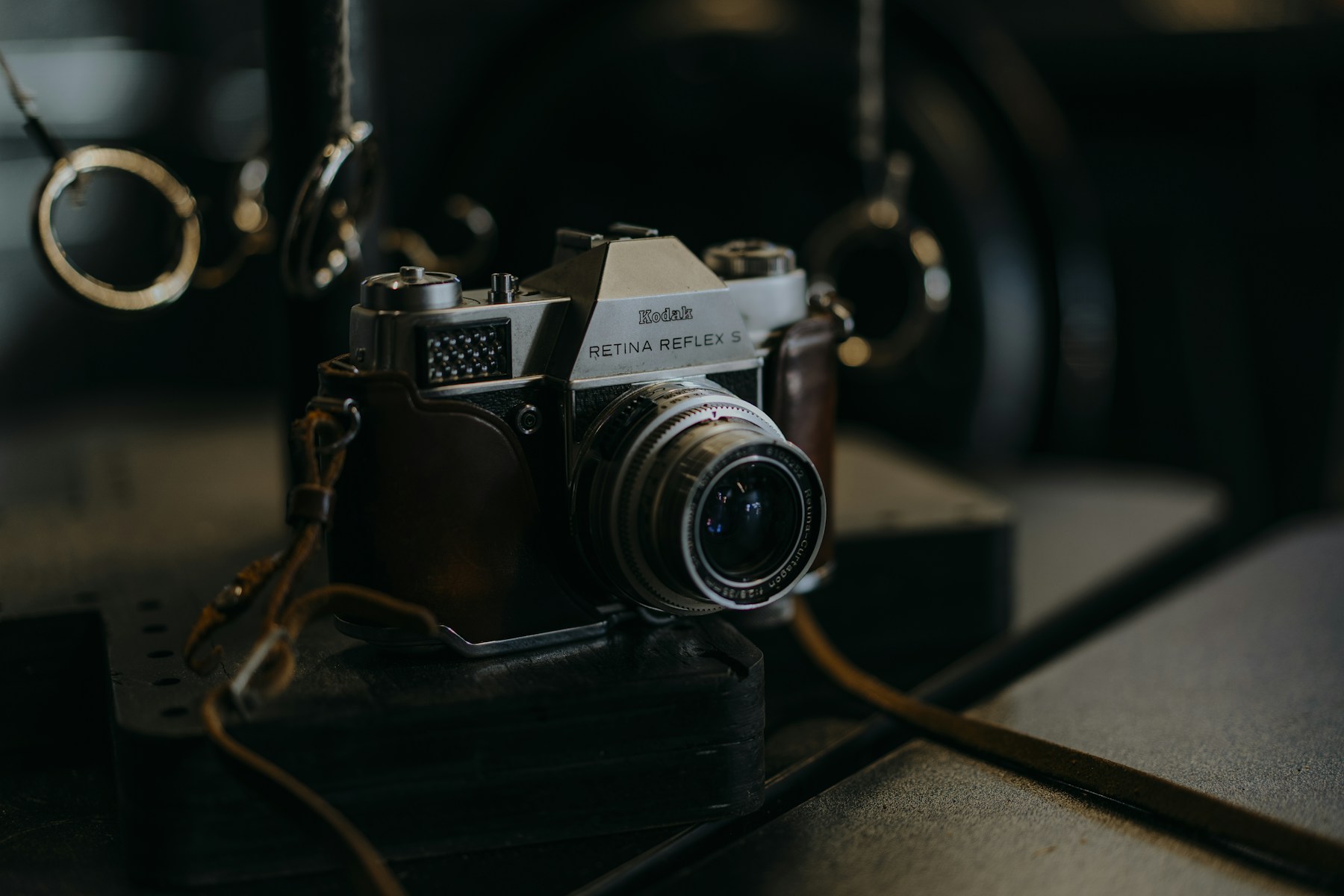
Record the details only you may know.
Where did it come from? What should someone notice? Has it been restored? What makes it significant? Those details can matter when you share a collection with family, discuss it with a specialist or decide what happens to it later.
Document a collection
- Photograph the piecesCapture the item and any identifying details that matter, such as a maker's mark, signature or distinctive feature.
- Tell the storyAdd where it came from, when you acquired it and what you have learned about it. A narrated capture can help you get the details down while the object is in front of you.
- Keep values in contextRecord a purchase amount, estimate or appraisal with its source and date. That context helps you know which figures are useful for a particular conversation.
- Share the relevant recordBring family into the story or prepare a report for a specialist, appraiser or insurance agent. Use the same record when you plan the collection's next chapter.
Work with the right person
Use identifying photographs, notes and recorded value information to prepare for a specialist review. Keep any formal appraisal and its intended purpose clear.
Prepare for professional helpCommon questions
Does a collection need to be valuable to belong here?
No. An object can matter because of its history, use or connection to someone. Record the things you want to understand and remember.
Will Estate Clarity appraise my collection?
Use the inventory to organize what you know and prepare for a qualified appraiser when you need a formal opinion.
Related use cases
See how to start an inventory
A useful first step
Try the object story starterNew app subscriptions and trials are currently closed. These guides and tools are free to use. Explore the product walkthrough or contact us about access.